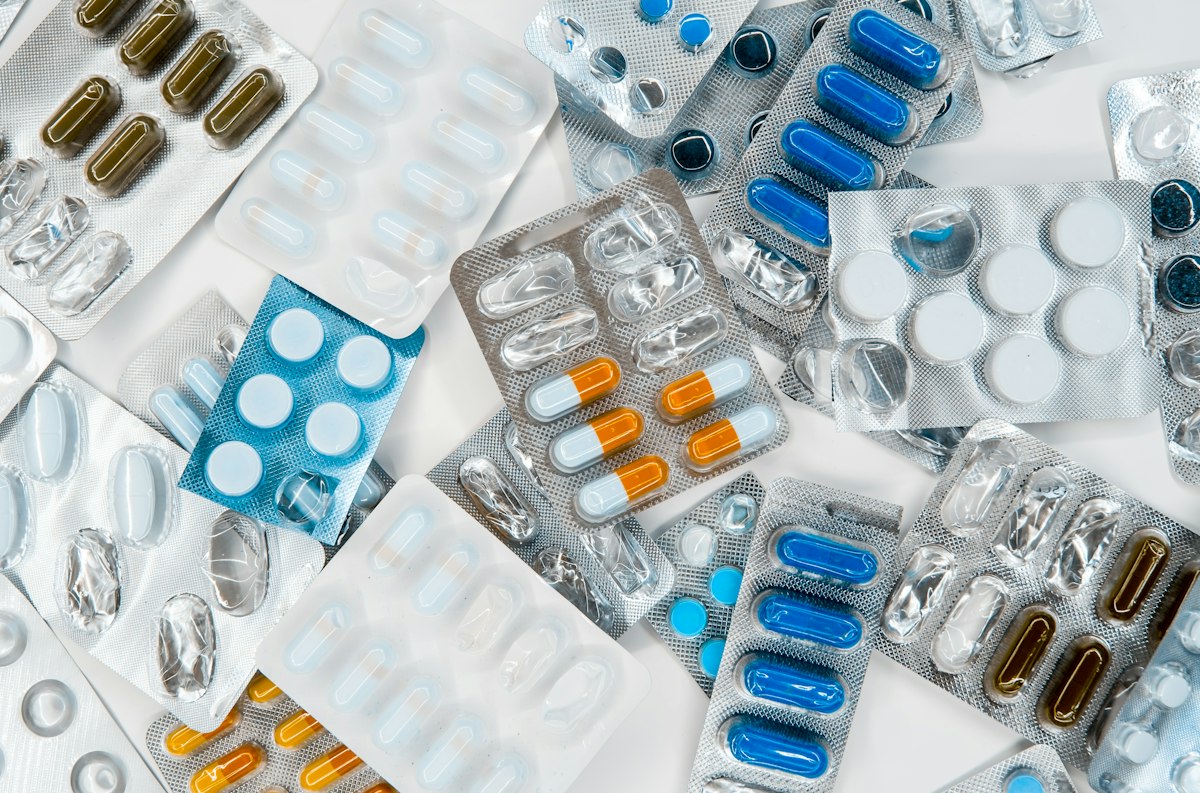
The FDA peptide ban that blocked compounding pharmacies from producing BPC-157, thymosin beta-4, and 10 other peptides is being reversed. HHS Secretary Robert F. Kennedy Jr. announced Wednesday that the FDA will remove all 12 compounds from its Category 2 restricted list and bring them before the Pharmacy Compounding Advisory Committee (PCAC) at meetings scheduled for July 23–24, 2026.
The FDA peptide reclassification reverses a September 2023 policy that classified these compounds as bulk drug substances posing "significant safety risks" and barred 503A compounding pharmacies from producing them. The 12 peptides now set for review are BPC-157, thymosin beta-4 fragment (TB-500), epitalon, GHK-Cu, MOTS-c, DSIP (emideltide), dihexa acetate, ibutamoren mesylate (MK-677), melanotan II, KPV, semax, and cathelicidin LL-37.
Kennedy framed the move as a corrective. "This action begins to restore regulated access and will immediately begin shifting demand away from the black market," he wrote in a social media post Wednesday morning.
The announcement drew immediate attention from the compounding pharmacy industry, the anti-aging and longevity community, and physicians who had been prescribing these peptides before the 2023 ban. It also drew criticism from former FDA officials who worked on the original Category 2 classification, three of whom told reporters that Kennedy had mischaracterized their safety findings.
Here is what each of the 12 peptides is, what the existing research says, and what the PCAC review will mean for patients and prescribers.
Why the FDA Banned These Peptides in 2023
In September 2023, the FDA moved 19 peptides from Category 1 — compounds that compounding pharmacies could legally produce — to Category 2, a classification reserved for bulk drug substances the agency considers unsafe for compounding. The FDA cited insufficient human safety data, aggregation risks, sterility problems with injectable formulations, and a lack of clinical evidence supporting the doses and routes of administration commonly used by compounding pharmacies.
The effect was immediate. Compounding pharmacies that had been filling prescriptions for peptides like BPC-157 and thymosin beta-4 were forced to stop. Patients who had been receiving these treatments through licensed providers lost access overnight. The ban pushed demand toward unregulated online suppliers, many of them shipping from overseas manufacturers with no U.S. quality oversight.
Five of the original 19 peptides — AOD-9604, CJC-1295, ipamorelin acetate, thymosin alpha-1, and selank acetate — were already removed from Category 2 in September 2024 after their nominators withdrew. The 12 peptides now under review are the remaining compounds.
The PCAC, an FDA advisory panel that includes compounding pharmacists, physicians, patient advocates, and representatives from the U.S. Pharmacopeia and state pharmacy boards, will evaluate each substance on its clinical, pharmacological, and safety evidence. The committee's recommendations are advisory — the FDA can accept or reject them — but the agency has historically followed the panel's guidance.
All 12 Peptides on the FDA Category 2 List: What They Are and What They Do
BPC-157 (Body Protection Compound)
BPC-157 is a 15-amino-acid synthetic peptide derived from a protein found in human gastric juice. Researchers have studied it primarily for tissue repair — tendons, ligaments, muscle, bone, and the GI tract. Animal studies have consistently shown accelerated healing and reduced inflammation. A 2015 Phase I trial on 42 healthy volunteers was abandoned in 2016, and a small 2025 pilot study on two adults showed good tolerability with no adverse cardiac, hepatic, renal, or metabolic effects. It remains the most widely discussed peptide in the regenerative medicine space, and prior to the ban, it was one of the most commonly prescribed compounds at telehealth peptide clinics. The World Anti-Doping Agency has banned it in competition.
Thymosin Beta-4 Fragment (TB-500)
Thymosin beta-4 fragment (LKKTETQ), often marketed as TB-500, is a seven-amino-acid sequence taken from the larger thymosin beta-4 protein. It regulates cell migration and angiogenesis through its effects on actin polymerization. Preclinical research has shown it promotes wound healing and modulates inflammatory signaling. There are no published human clinical trials. Practitioners who used it before the ban typically prescribed it alongside BPC-157 for musculoskeletal injuries.
Epitalon (Epithalon)
Epitalon is a four-amino-acid peptide (Ala-Glu-Asp-Gly) based on a bovine pineal gland extract called epithalamin. It acts on the pineal gland, upregulates melatonin production, and may increase telomerase activity — the enzyme that maintains telomere length. A prospective cohort study of 266 people over 60 found that epithalamin reduced mortality by 1.6 to 1.8 times over six years compared to controls. In vitro studies on human fibroblasts showed telomere elongation. Among the 12 peptides, epitalon has attracted the most interest from the longevity research community.
GHK-Cu (Copper Peptide)
GHK-Cu is a copper-binding tripeptide that occurs naturally in human blood plasma. Plasma levels drop from roughly 200 ng/ml at age 20 to about 80 ng/ml by age 60. It stimulates collagen, elastin, and glycosaminoglycan synthesis, and promotes blood vessel and nerve growth. While topical GHK-Cu has some clinical backing for skin repair and wound healing, injectable GHK-Cu has not been tested in large human trials. Providers who offered it before the ban typically used it for tissue regeneration and anti-aging protocols.
MOTS-c
MOTS-c is a mitochondrial-derived peptide encoded by the 12S rRNA gene. Discovered in 2015, it regulates metabolism through the Folate-AICAR-AMPK pathway and influences nuclear genes related to glucose metabolism, muscle function, and cellular stress response. Exercise naturally increases MOTS-c expression in humans. Preclinical work suggests potential applications for diabetes and metabolic dysfunction, but clinical development has been slow due to delivery challenges.
DSIP (Delta Sleep-Inducing Peptide)
DSIP, also called emideltide, is a nine-amino-acid neuropeptide produced in the hypothalamus. First isolated from rabbit brain tissue in the 1970s, it modulates sleep by acting on GABA, serotonin, dopamine, and noradrenaline systems. Small double-blind studies showed modest improvements in sleep efficiency and latency compared to placebo. It works as a sleep-promoting substance rather than a sedative, meaning it adjusts the sleep-wake cycle without the knock-out effect of drugs like zolpidem.
Dihexa Acetate
Dihexa acetate is a synthetic peptide derived from angiotensin IV. It mimics hepatocyte growth factor (HGF), binds the c-Met receptor, and crosses the blood-brain barrier. Preclinical studies have described it as far more potent than BDNF in driving synapse formation. In rat models of Alzheimer's disease, it restored cognitive performance and outperformed donepezil. No human studies have been published, and long-term safety — including tumor risk — has not been assessed. Among the 12 peptides, dihexa has the thinnest safety profile relative to its potency claims.
Ibutamoren Mesylate (MK-677)
Ibutamoren mesylate is technically not a peptide — it is an orally active, non-peptide growth hormone secretagogue that mimics ghrelin. It stimulates GH and IGF-1 release, increases lean body mass, and in small clinical trials has shown a 20–50% increase in REM sleep. It was already reviewed by PCAC at an October 2024 meeting, where the committee voted against adding it to the 503A bulks list. Its inclusion in this new round of review suggests the FDA is giving it a second look under different political direction.
Melanotan II
Melanotan II is a synthetic analog of alpha-melanocyte-stimulating hormone. It activates melanocortin receptors and produces skin darkening through the same biological pathway as UV exposure, but without the DNA damage caused by sunlight. A Phase I study demonstrated tanning activity with five low-dose subcutaneous injections. Side effects include flushing, nausea, and appetite suppression. A 2021 review found increased melanoma rates among users, though researchers attributed this to concurrent UV-seeking behavior rather than the peptide itself. Clinuvel Pharmaceuticals abandoned cosmetic development of melanotan II in the 2000s.
KPV (Anti-Inflammatory Tripeptide)
KPV is a three-amino-acid fragment (Lys-Pro-Val) from alpha-MSH. It inhibits NF-κB and MAP kinase inflammatory signaling and reduces pro-inflammatory cytokines including TNF-α, IL-1β, and IL-6. Preclinical studies have demonstrated its effectiveness against experimentally induced colitis, and it kills S. aureus and C. albicans without suppressing the immune system overall. Oral delivery via nanoparticles has shown combined anti-inflammatory and mucosal healing effects in animal models. KPV had become increasingly popular among functional medicine practitioners for gut inflammation before the ban.
Semax (Heptapeptide)
Semax is a seven-amino-acid synthetic analog of an ACTH fragment. In Russia, where it has been a prescription drug for years, it is used for stroke recovery, cognitive disorders, and optic nerve disease. A 2005 study found that intranasal semax administered within 12 hours of stroke onset reduced infarct volume by 22% compared to standard care. It upregulates BDNF in the hippocampus and activates serotonergic and dopaminergic systems. Poor oral bioavailability limits it to intranasal or injectable delivery.
Cathelicidin LL-37
Cathelicidin LL-37 is a 37-amino-acid antimicrobial peptide and the only human member of the cathelicidin family. It disrupts bacterial cell walls, neutralizes endotoxins, and modulates immune response. Found in neutrophils, monocytes, and other immune cells, it has broad-spectrum activity against resistant bacteria. Clinical application has been limited by rapid enzymatic degradation, short plasma half-life, and dose-dependent toxicity to the body's own cells at higher concentrations.
Where to Get Peptide Therapy Online in 2026
Even before the PCAC meets in July, several licensed telehealth clinics already offer peptide consultations and prescriptions through 503A and 503B compounding pharmacies. ClinicLayer tracks five peptide-focused providers, ranked by true all-in annual cost — not just the advertised monthly rate.
Defy Medical is the top-ranked peptide clinic on our list (8.8/10). It charges $200–$250/mo with labs included, bringing the true annual cost to about $2,800. Defy has the widest peptide formulary of any telehealth provider we track — BPC-157, TB-500, sermorelin, epithalon, PT-141, and others — and its physicians have been running peptide-specific protocols longer than most competitors.
MYRNK (8.2/10) focuses on NAD+ and sermorelin at $199/mo ($2,388/yr). Labs are not included, so add $200–$400/yr for IGF-1 monitoring and metabolic panels. MYRNK offers both injectable and intranasal delivery, which is unusual in this category.
Marek Health (8.2/10) has the lowest headline price at $166/mo, but labs are extra and can run $450–$1,700/yr depending on your protocol. That puts the true annual cost at up to $2,692 or more — higher than clinics with lower monthly rates but included labs. Marek is performance-focused and popular among athletes and biohackers.
Maximus (8.0/10) charges $199/mo ($2,388/yr) with labs included and covers all 50 states. Maximus concentrates on growth hormone peptides under physician supervision and pairs well with their TRT program if you are already on testosterone therapy.
Limitless TRT & Aesthetics (7.8/10) takes an integrative approach, combining peptides with TRT and aesthetic treatments. Pricing sits at $199/mo ($2,638/yr) with labs priced separately.
All five providers operate through licensed compounding pharmacies and require baseline bloodwork before prescribing. You can see the full comparison with filters at cliniclayer.co/compare/peptides.
What the FDA Peptide Reclassification Means for Patients and Providers
If the PCAC recommends reclassification and the FDA follows through, compounding pharmacies could resume production of these peptides under the regulatory framework that existed before September 2023. Patients would once again be able to obtain them through licensed prescribers and 503A pharmacies rather than unregulated online sources.
The timeline matters. The PCAC meetings are set for July 23–24. Even with favorable recommendations, FDA rulemaking typically takes months. Providers should not expect to begin compounding these substances immediately after the meetings.
For now, the announcement has already shifted the conversation. The Alliance for Pharmacy Compounding, the industry's trade group, has publicly supported the move. Some physicians remain cautious, noting that growth hormone-related peptides could theoretically accelerate tumor growth and that long-term safety data for most of these compounds simply does not exist.
The political dynamics are also worth watching. Three former FDA officials who worked on the 2023 restrictions publicly objected to Kennedy's characterization of their work, saying the safety concerns they documented were legitimate and based on the available evidence. ProPublica has reported that a reversal could reopen the market to compounds that have not been adequately tested. Congressional Republicans, meanwhile, have sent letters urging Kennedy to lift restrictions.
Regardless of where one falls on the policy question, the practical effect of the 2023 ban was to cut off regulated supply while leaving demand intact. Whether restoring compounding access produces better outcomes than the current situation — where patients buy from unregulated foreign suppliers — is the central question the PCAC will need to answer in July.
If you are currently exploring peptide therapy options, you can compare peptide clinics and pricing or browse our top-rated peptide providers to find licensed telehealth clinics that offer consultations and, where legally available, peptide prescriptions.
Frequently Asked Questions
Is the FDA peptide ban officially lifted?
Not yet. Kennedy announced the FDA's intent to remove the 12 peptides from Category 2 and bring them to PCAC for review at meetings on July 23–24, 2026. As of April 16, 2026, no formal rule change has been published. The peptides remain on the Category 2 list until the PCAC reviews them and the FDA acts on the committee's recommendations. Five other peptides — AOD-9604, CJC-1295, ipamorelin, thymosin alpha-1, and selank — were already removed from Category 2 in September 2024.
Is BPC-157 legal to buy in 2026?
BPC-157 is not FDA-approved as a standalone drug. However, a licensed physician can prescribe it, and a licensed 503A compounding pharmacy can produce it for individual patients under the same legal framework used for other compounded medications. Several telehealth peptide clinics currently offer BPC-157 consultations. The regulatory status may change after the July 2026 PCAC meetings.
Which peptides are being removed from Category 2?
The 12 peptides set for PCAC review are BPC-157, thymosin beta-4 fragment (TB-500), epitalon, GHK-Cu, MOTS-c, DSIP (emideltide), dihexa acetate, ibutamoren mesylate (MK-677), melanotan II, KPV, semax, and cathelicidin LL-37. Combined with the five peptides already removed in 2024 (AOD-9604, CJC-1295, ipamorelin, thymosin alpha-1, selank), this accounts for 17 of the original 19 peptides placed on Category 2 in September 2023.
How much does peptide therapy cost?
Peptide therapy through a licensed telehealth clinic costs between $2,388 and $2,800 per year based on the providers ClinicLayer tracks. Monthly prices range from $166 to $250, but the true annual cost depends on whether labs are included. Defy Medical ($200/mo, labs included) and Maximus ($199/mo, labs included) are the best value when you factor in the full cost. See the full comparison for current pricing.
When will these peptides be available again through compounding pharmacies?
The PCAC meetings are scheduled for July 23–24, 2026. If the committee recommends reclassification and the FDA acts on those recommendations, compounding pharmacies could resume production under the pre-2023 regulatory framework. FDA rulemaking typically takes months after an advisory committee meeting, so widespread availability is unlikely before late 2026 at the earliest.
ClinicLayer tracks pricing and availability across 60+ telehealth clinics. We verify costs daily and show the true all-in annual price — not just the advertised monthly rate. Nothing in this article constitutes medical advice. Consult a licensed healthcare provider before starting any treatment.